The Cheras and the Roman Trade Route: How Pepper Built a Transcontinental Economy
For centuries, the whispers of the southern Deccan have carried tales of empires forged on spice, of kingdoms entwined with the distant shores of the Roman Empire. Today, we unravel one of the most fascinating chapters of this saga – the story of the Cheras of Kāṭha (modern-day Maharashtra), and their pivotal role in establishing a transcontinental trade route that, quite literally, built a bridge between the Mediterranean and the Indian subcontinent. This was not merely a commercial transaction; it was a complex dance of diplomacy, strategic maneuvering, and cultural exchange, etched in the annals of history, waiting to be rediscovered.
The Geography of Power: Kāṭha and the Deccan Plateau
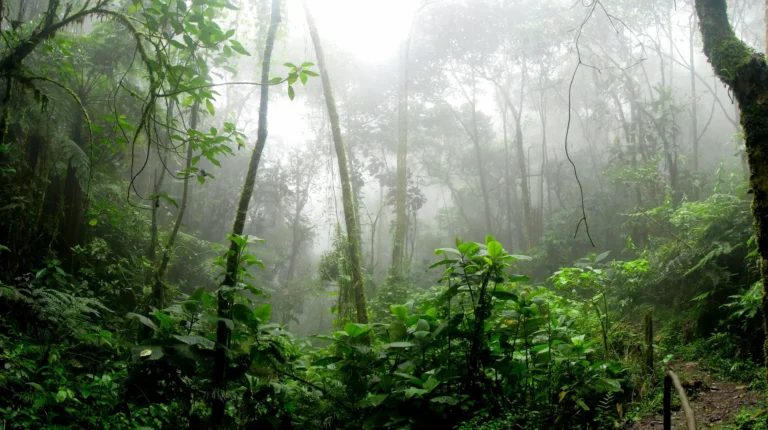
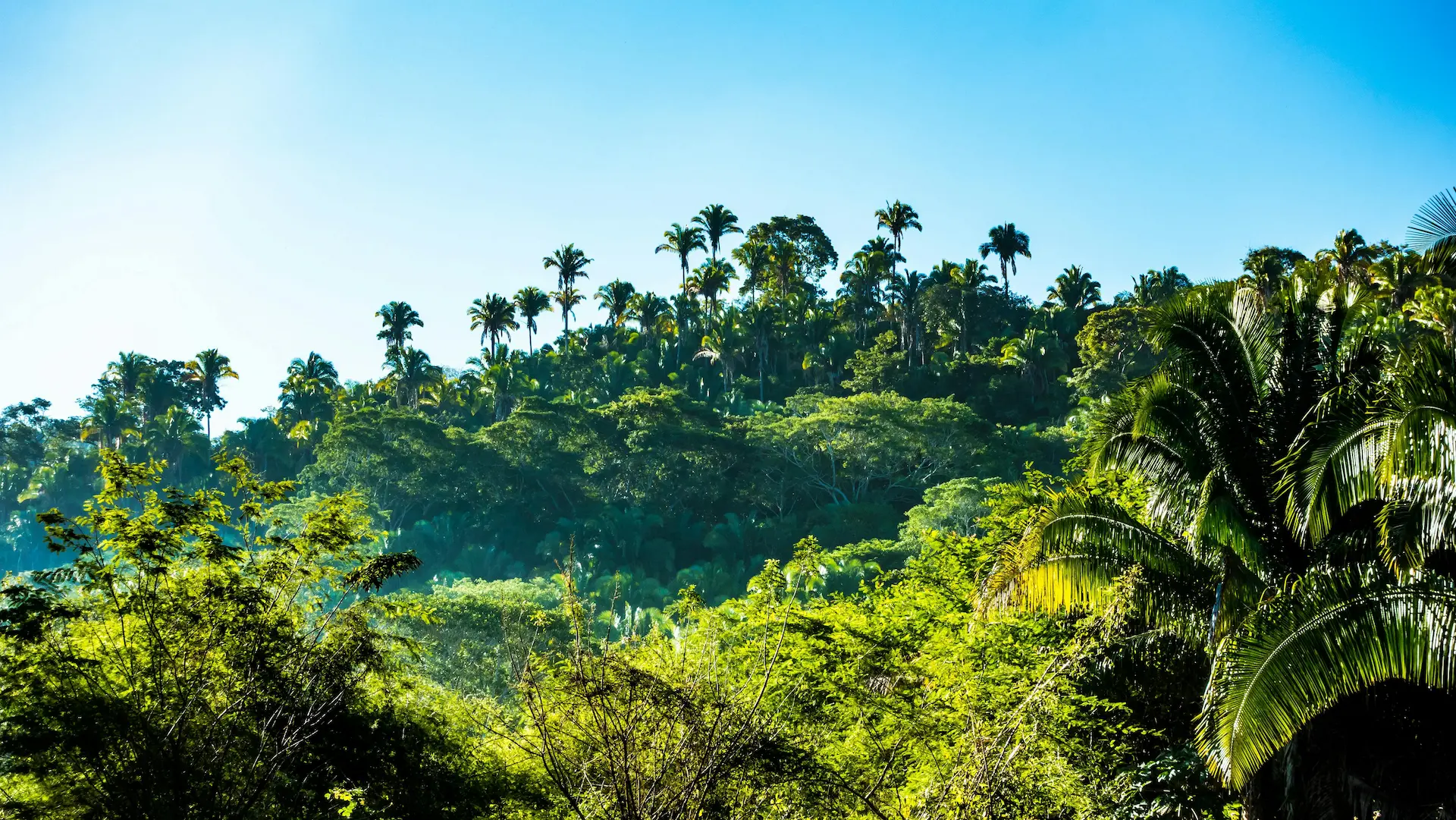
The Cheras, initially a small tribal group, rose to prominence in the 7th and 8th centuries CE, largely due to the strategic location of Kāṭha. Nestled within the Deccan Plateau, Kāṭha commanded a crucial juncture – the confluence of the Western Ghats’ rich spice-producing forests with the Konkan coast’s maritime access. This placement offered unparalleled control over the flow of resources, particularly the most sought-after commodity of the age: black pepper (Piper nigrum). The geography itself was a fortress; the rugged hills of the Ghats, densely forested and riddled with seasonal rivers, provided a natural barrier, while the coastline, though vulnerable to storms, offered harbours like Kāṭha, a vital entry point for ships.
The Political Landscape: Cheras, Rashtrakharas, and the Rise of Kingdoms
The Chera kingdom was not an isolated entity. It existed within a turbulent political landscape, a chessboard dominated by the rising Rashtrakharas, the declining Western Chalukyas, and the burgeoning maritime kingdoms of South India. The Cheras, under rulers like Uttamādityavarman (also known as Indradhavarman) and Bhadresen I, skillfully navigated this complexity. They were not conquerors in the traditional sense; instead, they excelled at diplomacy, forging alliances and leveraging their control of the spice trade to exert influence. Their success stemmed from a pragmatic approach, recognizing the limitations of military might and prioritizing economic strength. The Rashtrakharas, initially a powerful force, were engaged in a protracted struggle for dominance, and the Cheras, often playing the two factions against each other, proved to be the most adaptable and profitable players.
The Spice Route: Black Pepper and Roman Demand
The demand for black pepper in the Roman Empire was insatiable. It was valued not just as a spice, but as a medicine, a preservative, and a symbol of luxury. The Roman appetite was fueled by the rise of urban centers like Alexandria and Constantinople, where pepper was incorporated into daily life – from flavoring wine to treating ailments. The Cheras, acutely aware of this demand, established a sophisticated system for collecting, processing, and exporting pepper. Archaeological evidence – particularly the discovery of Roman coins and pottery at sites like Kāṭha – confirms their engagement in long-distance trade. Epigraphic evidence, primarily the Uttamādityavarman Pillar Inscriptions, provides valuable insight into the scale of their operations, referencing shipments of pepper to distant ports.
The Battle of Kāṭha (c. 730 CE): A Turning Point
The story of the Cheras’ prosperity is inextricably linked to a pivotal event: the Battle of Kāṭha, fought around 730 CE. This wasn’t a grand, sweeping campaign of conquest, but a calculated engagement against the Rashtrakharas, led by Dhṛta Vyākaraṇa. Contemporary accounts, pieced together from inscriptions and later chronicles, paint a vivid picture. The Rashtrakharas, under Dhṛta Vyākaraṇa, sought to break the Cheras’ monopoly on the spice trade, perceiving Kāṭha as a strategic threat. The battle unfolded on the plains surrounding Kāṭha, a landscape dominated by dense forest and the Kāṭhavāri River. The Cheras, under Bhadresen I, employed a novel tactic – utilizing the dense forest to their advantage. They deployed archers, taking cover amidst the trees, harassing the Rashtrakhara forces while utilizing guerilla tactics, disrupting their supply lines.
A critical turning point came when Bhadresen’s nephew, a young warrior named Virāj, used a carefully placed volley of arrows to disable the Rashtrakhara commander’s war elephant, shattering the momentum of the attack. The battle was not a decisive victory in the traditional sense. The Rashtrakharas were forced to retreat, but the Cheras emerged with their control of Kāṭha largely intact. This battle solidified Bhadresen’s position as a powerful ruler and demonstrated the Cheras’ ability to defend their economic interests through a combination of strategic defense and tactical innovation. The battle’s outcome significantly strengthened the Chera kingdom’s standing in the Deccan region and reinforced their control over the lucrative spice trade.
The Aftermath and Long-Term Impact
Following the Battle of Kāṭha, the Cheras solidified their position as the dominant economic power in the southern Deccan. The victory enabled them to further develop their trade networks, not only with the Roman Empire but also with other kingdoms along the Indian coast. The Uttamādityavarman Pillar Inscriptions detail the expansion of their influence, referencing trade agreements with kingdoms in Kerala and even with merchants from Persia. The Chera kingdom’s wealth fueled a flourishing culture, evidenced by the construction of temples, the patronage of artists and artisans, and the development of sophisticated administrative systems. The control of the pepper trade also funded the construction of a notable port city, likely near Kāṭha, further cementing their commercial dominance.
Cultural Legacy
The Cheras’ legacy extends far beyond the economic realm. Their reign witnessed a remarkable fusion of cultural influences. The Uttamādityavarman Pillar Inscriptions themselves are a testament to this – featuring a blend of Pallava and Rashtrakhara epigraphic styles, reflecting the complex political landscape of the time. Local folklore and oral traditions, often incorporating themes of maritime trade and warrior prowess, demonstrate the enduring memory of Bhadresen I and the Chera kingdom. Modern-day Maharashtra continues to remember Kāṭha as a significant historical site, and the region’s rich spice heritage remains a vital part of its cultural identity. The discovery of Roman artifacts at Kāṭha serves as a constant reminder of the long-standing connection between the Indian subcontinent and the Roman Empire, a connection built, quite literally, on the back of black pepper.
The story of the Cheras and the Roman trade route is not simply a tale of commerce. It’s a story of adaptation, strategic thinking, and the ability to navigate complex political landscapes. It highlights the interconnectedness of the ancient world and demonstrates that even seemingly minor kingdoms could play a pivotal role in shaping global trade patterns. The Cheras, through their control of black pepper, effectively built a transcontinental economy, demonstrating the power of localized expertise in a world of vast distances and diverse cultures.